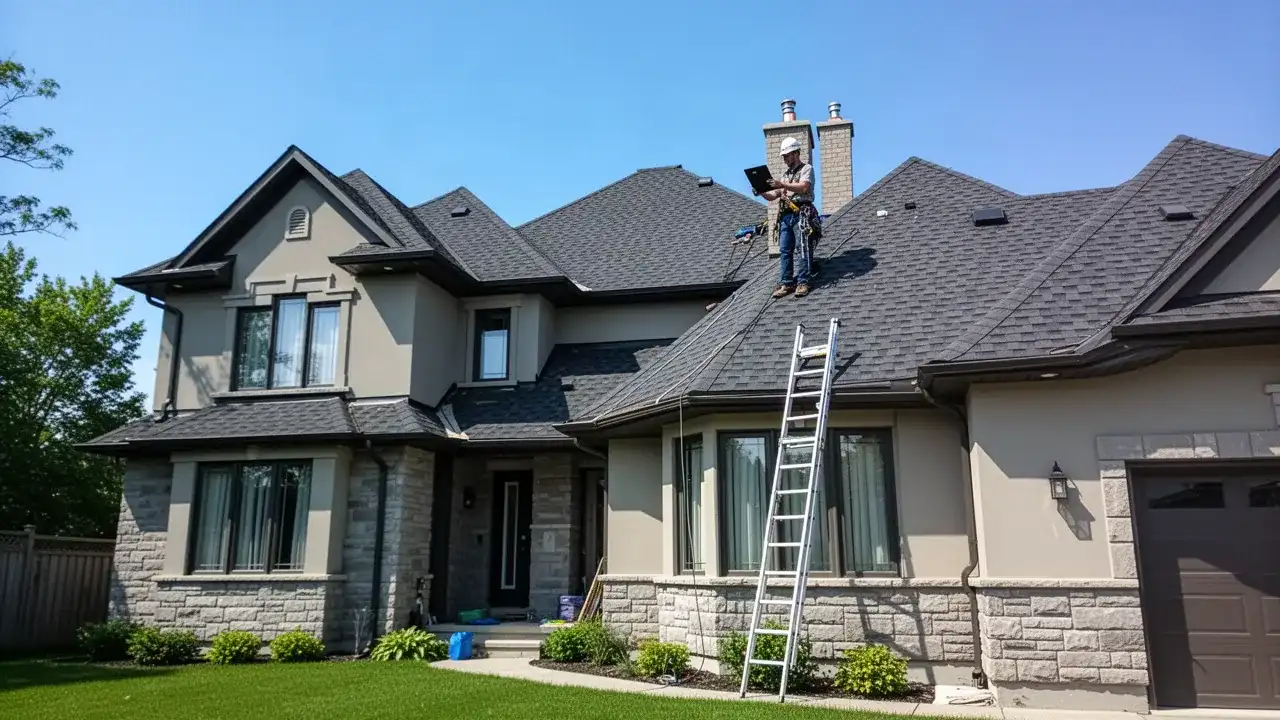
Roof inspection on Burlington two storey home
Residential roofing

Roof Inspection in Burlington, ON with Written Photo Reports

A roof inspection in Burlington from Fixall Roofing is done by roofers, not generalists who look at a roof as one item on a long checklist. Because we install and repair roofs for a living, we know what a failing detail looks like before it shows up as a ceiling stain.

Each inspection ends with a written, photo-based report that rates how serious each finding is and how many years the roof realistically has left. You get facts you can act on, not a vague note to call a roofer.

Buyers order inspections before firming up an offer, sellers before listing, and owners after a storm or when an insurer asks about roof condition. We inspect homes across Burlington and in nearby Oakville and Hamilton.

  • 15+ years experience
  • 700+ jobs completed
  • Fully insured + WSIB
  • Working at Heights certified
  • 1-year labour warranty
  • Open 24/7

Roof Inspections for Burlington Buyers, Sellers and Owners

A Fixall roof inspection covers the roof surface, every flashing and penetration, the eavestroughs and soffits, and the attic underneath. Most visits on a typical detached home take about an hour, longer for large or steep roofs.

Buyers use the report to negotiate or budget, because a roof with three years left changes the math on an offer. Sellers use it to fix small items or disclose them up front, and owners use it to plan spending instead of reacting to a leak.

Searching for a roof inspection near me usually turns up general home inspectors and roofers selling replacements. Our report is designed to stand on its own, so you can take it to any contractor for pricing if you choose.

Inspector examining shingles on Burlington roof inspection

Types of Roof Inspections

The inspection itself is thorough every time, but the report is framed around why you ordered it. Tell us the purpose when you book so the findings answer the right question.

Inspection typePurposeBest timing
Pre-purchaseCondition and remaining life before you commit to a homeInside your offer's inspection condition period
Pre-listingFind and fix or disclose issues before buyers doBefore photos and listing go live
Insurance or underwritingDocument age and condition for an insurerWhen your insurer requests it, or at renewal
Post-stormSeparate new wind or hail damage from older wearAs soon as it is safe after the storm
Annual checkCatch small failures before they become leaksLate spring or early fall
Warranty documentationPhoto record of condition for a warranty claimAs soon as a defect is suspected

What We Check, Inside and Out

Every inspection follows the same checklist so nothing is skipped on a rushed day. These are the four areas the report is organized around.

Shingle Condition and Remaining Life

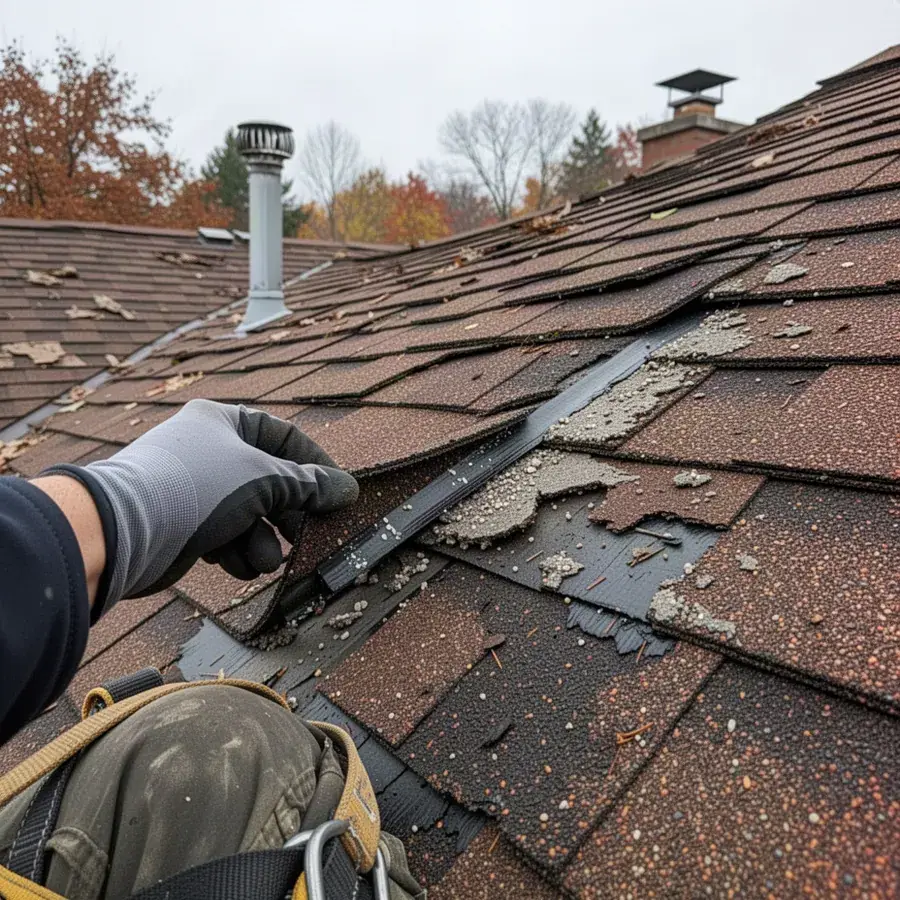
We look at granule loss, curling and cupping, cracked or brittle tabs, and whether the sealant strips are still bonded. We also lift an edge at the eaves to count layers and note the shingle type, since both affect future replacement cost.

South and west slopes in Burlington age fastest from sun exposure, so we rate each slope separately rather than giving one grade for the whole roof.
Flashing, Penetrations and Valleys

Chimney counter flashing, sidewall step flashing, plumbing boots, exhaust vents and valleys are where most roofs fail first. We check for rust, lifted metal, dried-out sealant and shingles cut too short at valleys.

Skylights get their own look at the curb flashing, the glazing seal and any staining on the interior well, and we note when skylight repair or replacement belongs in your plans.

Attic Ventilation, Insulation and Moisture

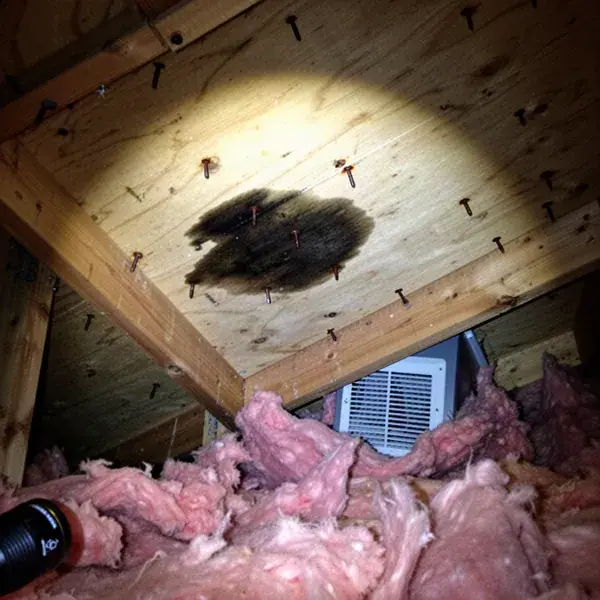
From the attic we look for frost or rust on nail tips, dark staining on the sheathing, mould, and soffit vents blocked by insulation. This is the part many general inspections skip, and it explains a lot of shortened roof lives.

We note insulation depth and gaps, and flag whether topping up your attic insulation would cut the warm-air leakage that drives ice dams.

Eavestroughs, Soffit and Drainage

Overflow marks on the troughs, sagging hangers, soft fascia boards and stained soffits all point to drainage that is not keeping up. We also note where downspouts discharge, since water dumped against the foundation is a basement problem waiting to happen.

Drone and Hands-On Inspections

Walking the roof is our default, because feet and hands find what a camera cannot. Soft decking, brittle shingles that crack when lifted, loose flashing and failed sealant strips only show up in person.

Aerial images from a drone or an extendable pole camera are the better choice when a roof is too steep, wet or icy to walk safely. They also suit cedar shake and slate, which can crack under foot traffic, and they give buyers a full overhead view of every slope.

Aerial images have limits. They cannot feel a soft deck, see under flashing or check the attic, so we pair them with an attic inspection and a ladder check at the eaves wherever we can.

What Your Inspection Report Includes

The report is written for a homeowner, not a roofer. Each finding has a photo, a plain explanation and a priority, so you know what needs attention this season and what can wait.

  • Labelled photos of every defect, close up and in context
  • A simple roof plan showing slopes, penetrations and problem locations
  • A condition rating for each slope
  • A priority list split into urgent, within a year, and monitor
  • A remaining-life estimate in years for the roof covering
  • Broad cost ranges for each recommended repair or replacement

When the remaining-life estimate is short, our guide on when to replace a roof helps you weigh a few more years of repairs against starting fresh.

Roofing Inspector vs Home Inspector

A general home inspection covers the whole house in a few hours, so the roof gets limited time. Many home inspectors assess it from the ground, from a ladder at the eaves or with a camera, and their reports often end with a recommendation to have a roofing contractor evaluate it further.

A roofing specialist answers the questions that matter before you buy in Burlington: how many layers are on the roof, whether the flashing was replaced or reused, and how many years the shingles realistically have left. We also check the attic ventilation balance between soffit intake and roof exhaust, which a quick look rarely catches.

Ordering both is common. The home inspector covers the house, and our report gives you a roof-specific answer with cost ranges you can take into negotiation.

Attic sheathing inspection in Burlington home

Roof Inspection FAQs

How often should my roof be inspected?

Once a year and after any major wind or hail storm is a sound routine for most homes. Once an asphalt roof passes about 15 years, twice a year makes sense, because failures start to come faster.

Is a roof inspection worth it when buying a home in Burlington?

Yes, because roof problems are expensive and easy to miss from the ground. A specialist inspection can uncover items such as a second layer of shingles that raises future replacement cost, rotted sheathing at the eaves from past ice dams, or reused flashing that is already leaking into a wall.

Can you inspect a roof covered in snow?

Only partly, since snow hides the shingles and most flashing, and walking a snow-covered roof is unsafe. We can still inspect the attic for moisture, frost and staining, check interior ceilings, and look at ice buildup at the eaves, then return for the roof surface once it clears.

Request a quote

Schedule Your Roof Inspection

By phone or quote request, tell us why you need the inspection and any deadline, such as an offer condition or a listing date. We confirm the visit time, the access we need to the attic, and when you can expect the written report.

Phones answered 24/7, including emergencies.

  1. 1We call you back to confirm the details.
  2. 2We inspect the roof and attic and take photos.
  3. 3You get a written scope and price. No pressure.
Call 289-816-1772Get a Quote