Roofer inspecting membrane seams on Burlington condo roof
Commercial roofing

Commercial Roof Inspection in Burlington, ON

A commercial roof inspection in Burlington should give you numbers you can budget against, not a vague note that the roof looks fine. As a Burlington roofing contractor, Fixall Roofing inspects flat membrane and metal roofs and turns the findings into a condition report with photos, a roof plan, repair priorities and a remaining service life estimate.

Our inspections are ordered by property managers planning next year's repairs, condo boards updating a reserve fund, buyers doing due diligence and owners whose insurer wants a current roof report. Each visit is made by roofers who also repair and replace these systems, so every finding reflects how the defect would actually be fixed.

Inspection is also where commercial roof maintenance starts. Small defects caught in spring or fall, like a loose termination bar or a strainer missing from a drain, cost a fraction of the interior damage they cause once they leak.

  • 15+ years experience
  • 700+ jobs completed
  • Fully insured + WSIB
  • Working at Heights certified
  • 1-year labour warranty
  • Open 24/7

Commercial Roof Inspections for Property Managers and Owners

We offer routine inspections, full condition assessments, pre-purchase due diligence, post-storm checks and warranty inspections. They differ in depth, but each one ends in the same kind of written report so results can be compared year over year.

A routine inspection is a walk of the whole roof with photos and minor maintenance. A condition assessment adds core cuts and, where needed, a moisture survey, which is what you want before committing to a large repair or a capital plan.

Inspection findings feed straight into the rest of our commercial roofing services, but you are under no obligation to hire us for the work. The report is written so any qualified contractor can price from it.

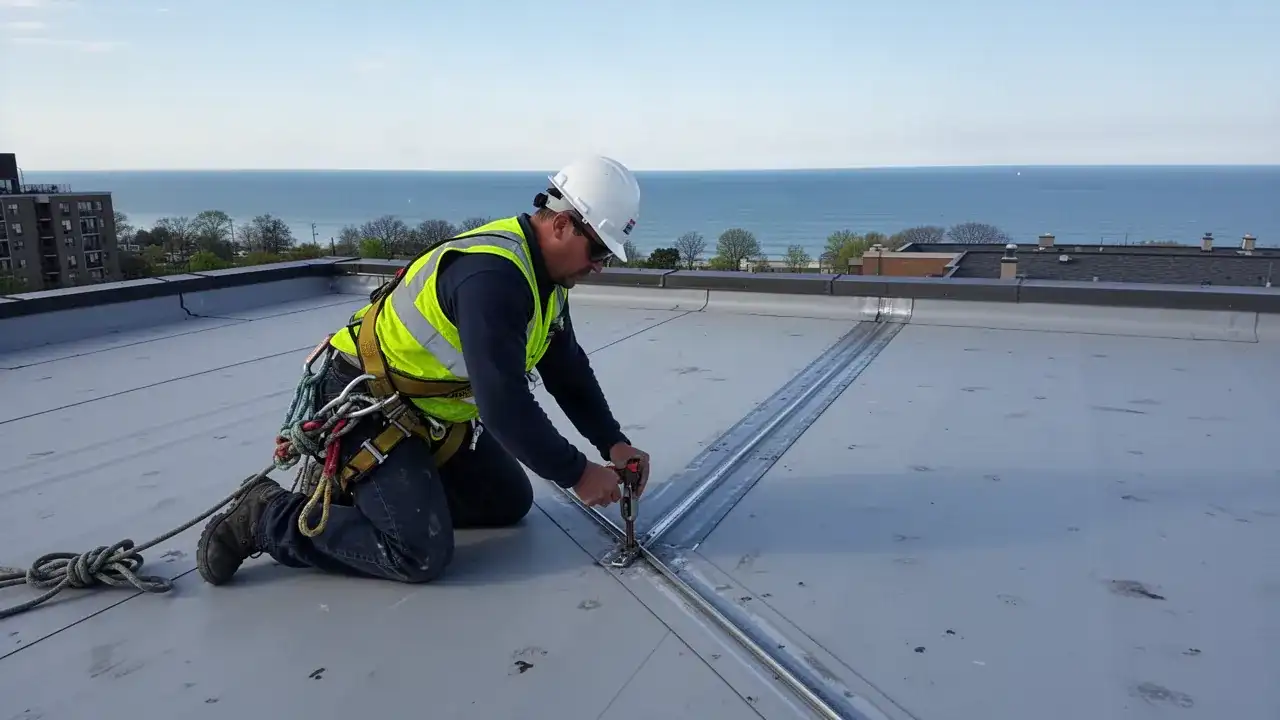
Safety is part of the visit too. We set up fall protection under Ontario Regulation 213/91, flag skylights and roof hatches, and keep inspectors away from unprotected edges.
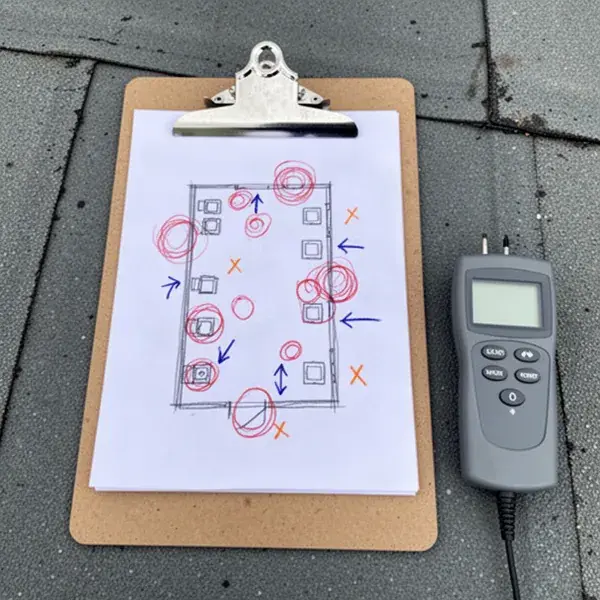
Roof plan markup for Burlington commercial condition report

Inspection Types for Commercial Buildings

Pick the inspection by the decision you need to make. Here is what each type is for and what you receive.

InspectionPurposeDeliverable
Semi-annual routineCatch defects after winter and before itPhoto report, minor repairs list, drains cleared
Pre-acquisition due diligenceKnow the roof's condition before you buyCondition rating, cores, remaining life, cost forecast
Condo reserve fund supportGive the reserve fund planner roof dataArea-by-area condition and replacement timing
InsuranceAnswer insurer questions on age and conditionDated photo report with roof age and system
Post-stormFind wind, hail or debris damage quicklyDamage photos and repair scope for the claim
WarrantyConfirm the roof meets warranty upkeep termsMaintenance record the manufacturer can review

For a purchase, our roof report sits alongside the engineer's property condition assessment rather than replacing it. Where a closing date is tight, tell us when you book so the cores and report are scheduled to meet it.

What We Test and Document

Inspectors who only look at the field of the roof miss most problems. Leaks start at edges, seams and penetrations, so that is where most of our time on the roof goes.

Membrane, Seams and Flashings

Welded seams on TPO and PVC are checked with a seam probe, and taped EPDM seams are checked for lifting edges. We look for shrinkage at base flashings, open termination bars, cracked sealant and loose or rusted parapet caps.

On SBS and built-up roofs, we check laps for open edges, look for alligatored or granule-bare cap sheet, and press blisters to see whether they are dry or holding water.

Drains, Scuppers and Ponding

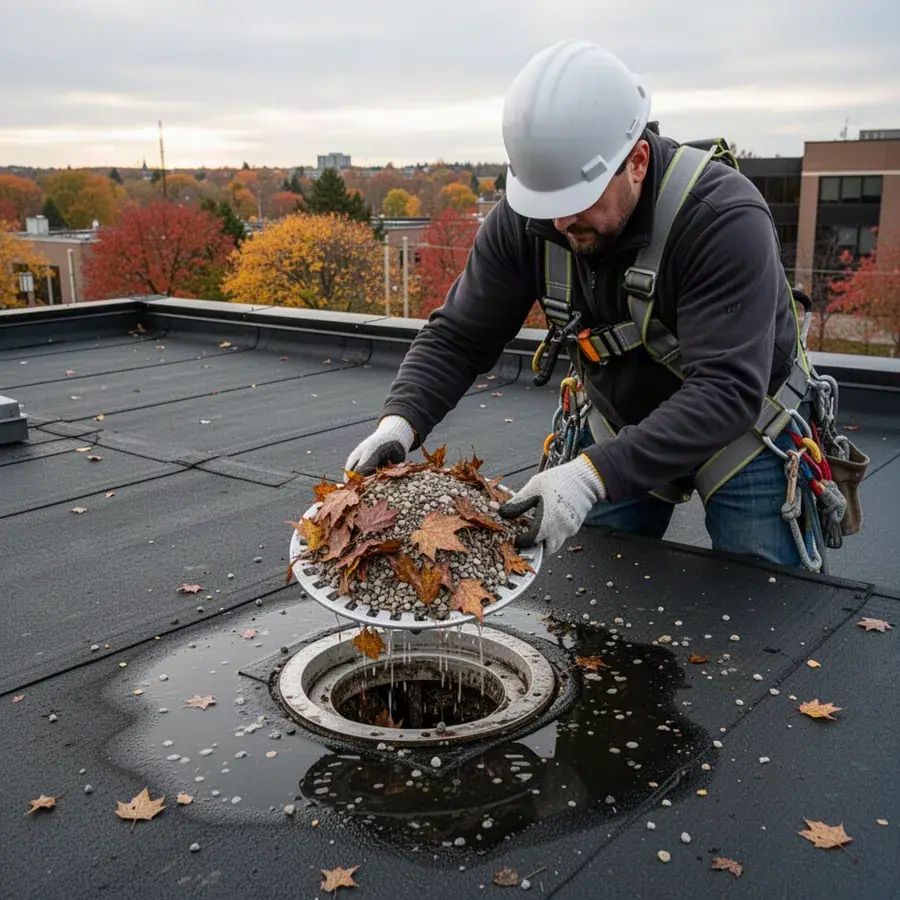
Drains are opened and checked for debris, missing strainers and loose clamping rings. Water stains and silt rings show where water ponds more than 48 hours after rain, and we confirm each roof area has an overflow path if the main drain blocks.

Ponding matters because standing water speeds up membrane ageing and adds weight a deck may not have been designed for. Where it appears, we note the depth and area so the fix can be sized correctly.

Core Cuts and Moisture Surveys

Core cuts show the layers, insulation type and whether it is wet, and each one is patched the same day. For larger roofs we add an infrared scan or a capacitance survey on a grid to map wet insulation across the whole area.

Infrared works best on a dry evening after a sunny day, when wet insulation holds heat longer than dry. Capacitance readings work in daylight and help confirm what the thermal image suggests.

Rooftop Equipment and Penetrations

We check curb heights, flashings and counterflashings on every unit, plus pitch pockets, pipe boots and conduit supports. Abandoned penetrations left open after equipment was removed are a frequent find, and each one goes on the repair list.

We also note units sitting on sleepers instead of curbs, satellite mounts weighted with blocks that grind into the membrane, and trade traffic paths that need walkway pads.

Your Roof Condition Report

The report is built for the person who has to defend a budget. Every finding has a photo, a location on the roof plan and a cost category, so it can go straight into a capital plan or a board package.

Each roof area gets a plain rating: good, fair, poor or end of life, with the reasons stated. A building with several roof areas of different ages often has one section to replace now and others to maintain for years, and the report shows that clearly.

Where the remaining life is short, the report becomes the starting point for replacement planning, with timing options that spread the cost over more than one budget year.

  • Dated photos of every defect and each roof area
  • Roof plan with defects, cores and moisture readings marked
  • Condition rating for each roof area
  • Prioritized repairs: urgent, within a year, and planned
  • Budget forecast for repairs, restoration or replacement
  • Estimated remaining service life

Maintenance Programs After the Inspection

Few contractors in the area offer scheduled maintenance, yet it is the cheapest way to reach the top of a roof's expected lifespan. Our programs are set up around the roof the inspection found, not a fixed package.

Most programs run on a spring and fall schedule, with an extra visit after major wind or hail events. Small defects are fixed during the visit within a pre-approved limit, and anything larger is quoted as a commercial roof repair with photos attached.

On aging roofs that are still dry, maintenance records also support a later move to restoration coatings, since coating manufacturers want proof the roof has been looked after.

  • Drains, scuppers and eavestroughs cleared and strainers replaced
  • Sealant, pitch pockets and termination bars checked and redone as needed
  • Flashings and parapet caps secured
  • Debris left by other trades removed
  • Visit report with photos added to the building's roof file
Clearing debris from commercial roof drain in Burlington

Commercial Inspection FAQs

How often should a commercial roof be inspected?

Twice a year, in spring after the freeze-thaw season and in fall before snow arrives. Add an inspection after any major wind, hail or ice event, and after other trades have worked on the roof.

Do you provide reports for condo reserve fund studies?

Yes, we provide condition data the reserve fund planner can use, including roof areas, systems, condition ratings and estimated remaining life. Ontario condo corporations update their reserve fund studies on a regular cycle, and current roof data makes those forecasts more accurate.

Is an infrared roof scan worth it?

It is worth it when wet insulation is suspected, when leaks keep coming back, or before deciding between restoration and replacement. On a small roof with an obvious single defect, core cuts alone are usually enough.

Request a quote

Schedule a Commercial Roof Inspection

Let us know the building address, the type of inspection you need and any deadline, like a closing date or a board meeting. We will confirm roof access, agree on the scope and deliver the written report with photos and a roof plan.

Phones answered 24/7, including emergencies.

  1. 1We call you back to confirm the details.
  2. 2We inspect the roof and attic and take photos.
  3. 3You get a written scope and price. No pressure.
Call 289-816-1772Get a Quote